
 Photo: Canva.com
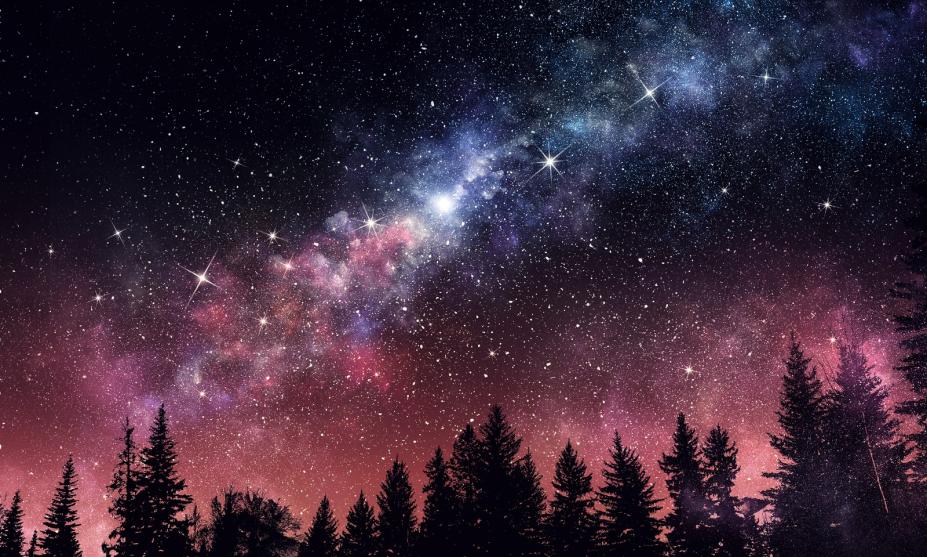
Recently I read an online article about the number of satellites currently orbiting the earth and the many thousands more that are planned. The article suggested that in the future it will become even harder to see the stars because they will be hidden behind a veil of satellites.
Many of our ancestors around the world looked up and paid close attention to the night sky. They noticed the movement of the stars and the phases of the moon. These became their guides in life. For the Maori people of New Zealand, the reappearance in the sky of the Pleiades Cluster marks the start of a New Year and sets a pattern for all the times and seasons in their lives. The first peoples who came here to Aotearoa were guided by the stars as they navigated the vast expanses of the Pacific Ocean. There is a belief in various cultures that when we look up at the stars, we are connected to the spirits of those who have gone before us. At New Grange in Ireland, at the winter solstice light from the rising sun shines through a small opening above the entrance to a passage tomb and lights up the whole interior. This amazing 5000-year-old structure was constructed in a country where the rising sun in winter is rarely visible. It points to the patient and sophisticated nature of their study of the sky.
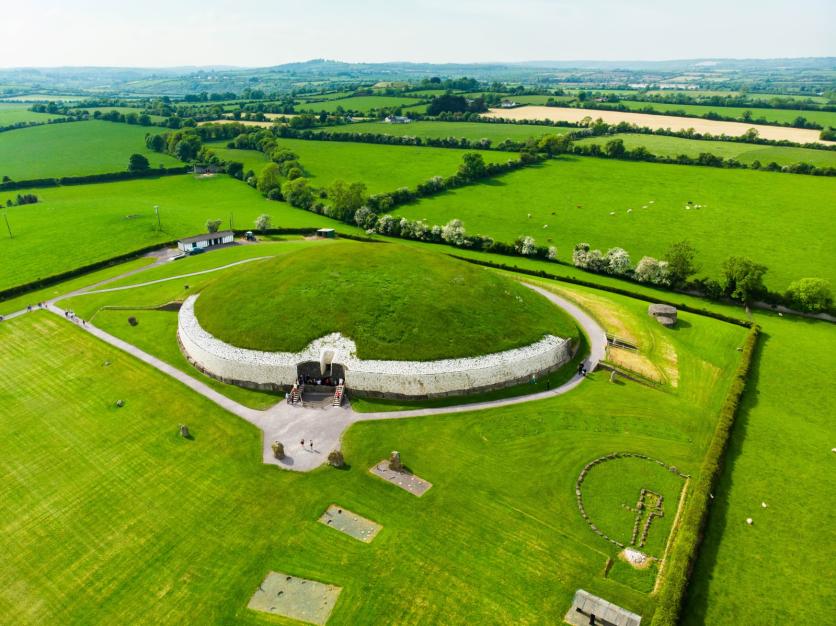 Tomb at New Grange, Ireland - Photo Canva.com
Perhaps people don’t look up as much now not only because the stars are harder to see because of light and air pollution but because we don’t need them to guide our lives anymore. People now look down at a mobile phone or a computer screen. Here they find more information than our ancestors could ever have imagined possible. This supply of information is made possible in part by the very satellites that hide the stars from view. We depend on them for help with communications, navigation (GPS) weather forecasts and scientific research. The pattern for our lives is set by artificial means like calendars, clocks and computer programs that increasingly are at odds with the natural rhythm of life.
I wonder how many of our present difficulties in life are related to the fact that many people have a diminished closeness with nature. They rarely look up in wonder at the night sky or get their hands in the soil or encounter creatures in the wild. On our screens we can see amazing documentaries on the nature of the universe, or the secret life of plants or incredible insights into the wild creatures that share the planet with us. However, a good deal of this is second hand and at one level does not bring us closer to nature or set the patterns of our lives.
Thinking about the stars reminded me of the words of a song that two students from a school in Abbeyleix wrote for the Irish portion of the Eurovision song contest back around 1983. The song did not make the cut, but I thought it was a very good and I still remember the chorus which said:
Don’t cry, with tears in your eyes you cannot see the stars
And it’s very important that you see the stars
So, your heart will always be aiming high.
In the first reading for November 4, St. Paul says something similar to the people of Philippi.
“You will shine in the world like bright stars because you are offering it the word of life.”
So, remember to look up and contemplate the night sky when you can.
Fr Patrick O'Shea lives and works in Aotearoa/New Zealand




 Shop
Comments (0)