
 Photo - Canva
June 3-8 marks the celebration of Oceans Week. As someone whose early years were spent in towns well away from the sea, I have always been a bit afraid of it. My years in the Philippines regularly making the tricky crossing of the bay between Ozamis and Kolumbugan on a top-heavy boat as well as several trips on what were ofttimes overloaded ferries did nothing to calm my fear. Perhaps as a result I have not paid much attention to what is happening to the oceans.
Oceans week is a call to all to start paying attention. Oceans are a vital component of the life support system of our planet. Our oceans are in in deep trouble Some of the causes that are generally recognised are:
1) 90% of global warming is occurring in our oceans. Climate change is causing the oceans to warm up at a record rate making it difficult for marine life to survive. Coral reefs, which serve as nurseries for many species, are being bleached and becoming uninhabitable. Warming oceans also add to the frequency and severity of hurricanes and cyclones and there are signs that significant ocean currents, like the Gulf Stream, are changing.
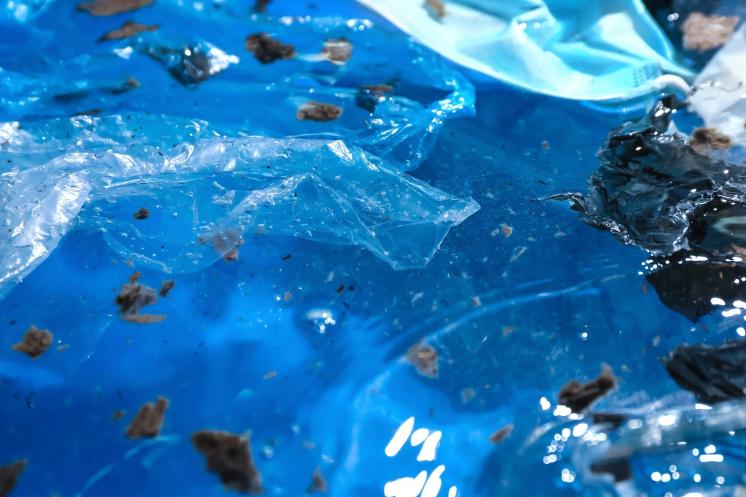
2) Plastic Pollution in our oceans has reached astonishing levels and is deeply impacting many species of marine life killing birds, seals, turtles, and other marine species.
3) Overfishing had reduced fish stocks dramatically and threatens the disappearance of some species like blue tuna.
National Geographic suggest the following list of actions that might help save our oceans.
- Mind Your Carbon Footprint and Reduce Energy Consumption
- Make Safe, Sustainable Seafood Choices
- Use Fewer Plastic Products
- Help Take Care of the Beach
- Don't Purchase Items That Exploit Marine Life
- Be an Ocean-Friendly Pet Owner
- Support Organizations Working to Protect the Ocean
- Influence Change in Your Community
- Travel the Ocean Responsibly
- Educate Yourself About Oceans and Marine Life
There is also growing evidence that the creation of marine reserves has help to slow some of the damage and restore those areas to health.
Fr Pat O'Shea lives and works in Aotearoa/New Zealand



 Shop
Shop
Comments (0)